Case and Pallet Aggregation: Aggregation Stations and the Software Side
What aggregation is, how manual and semi-automatic stations work, and how software keeps pack-case-pallet relationships correct from line to shipping.
18 September 2026 · 6 min read
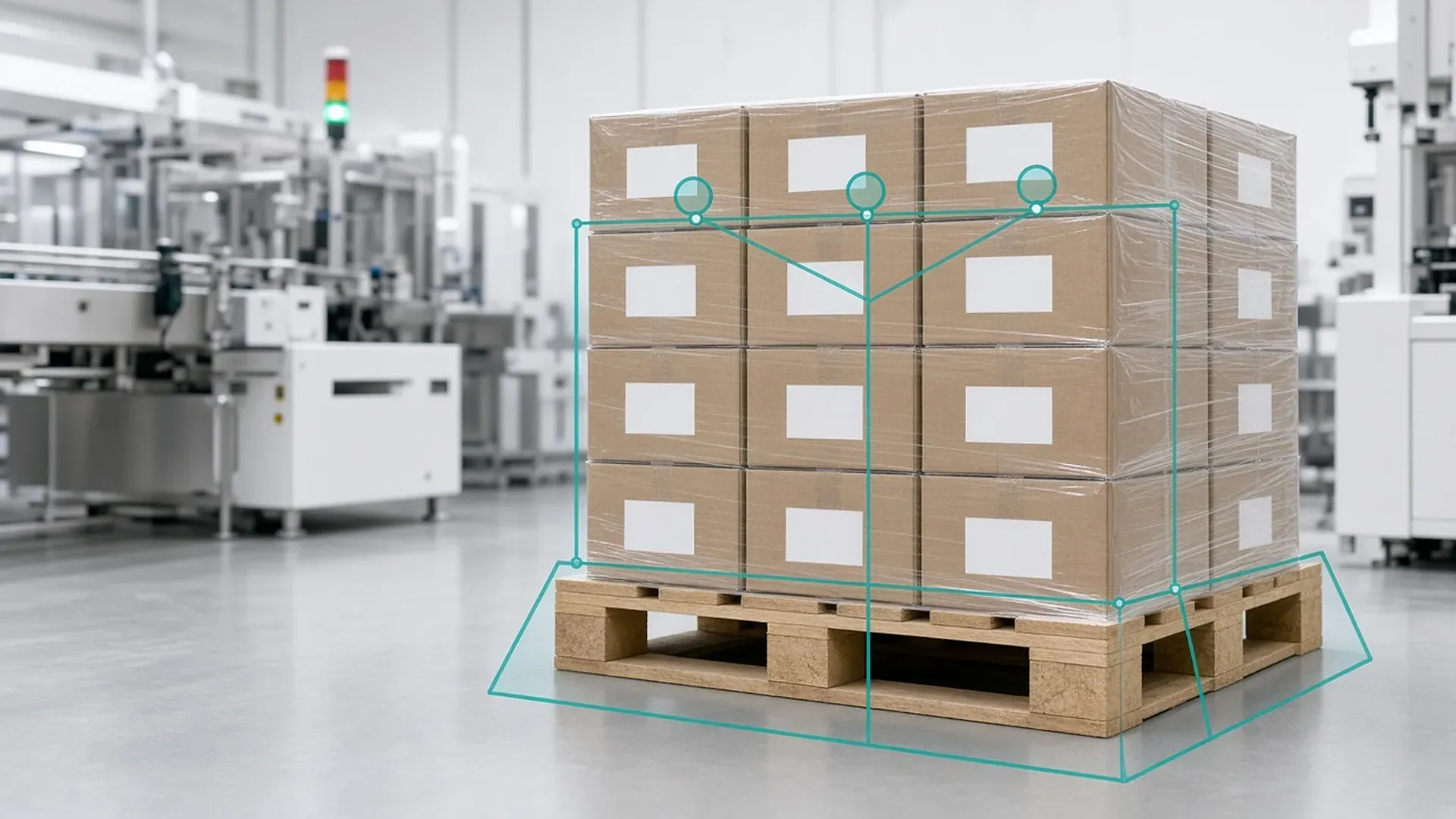
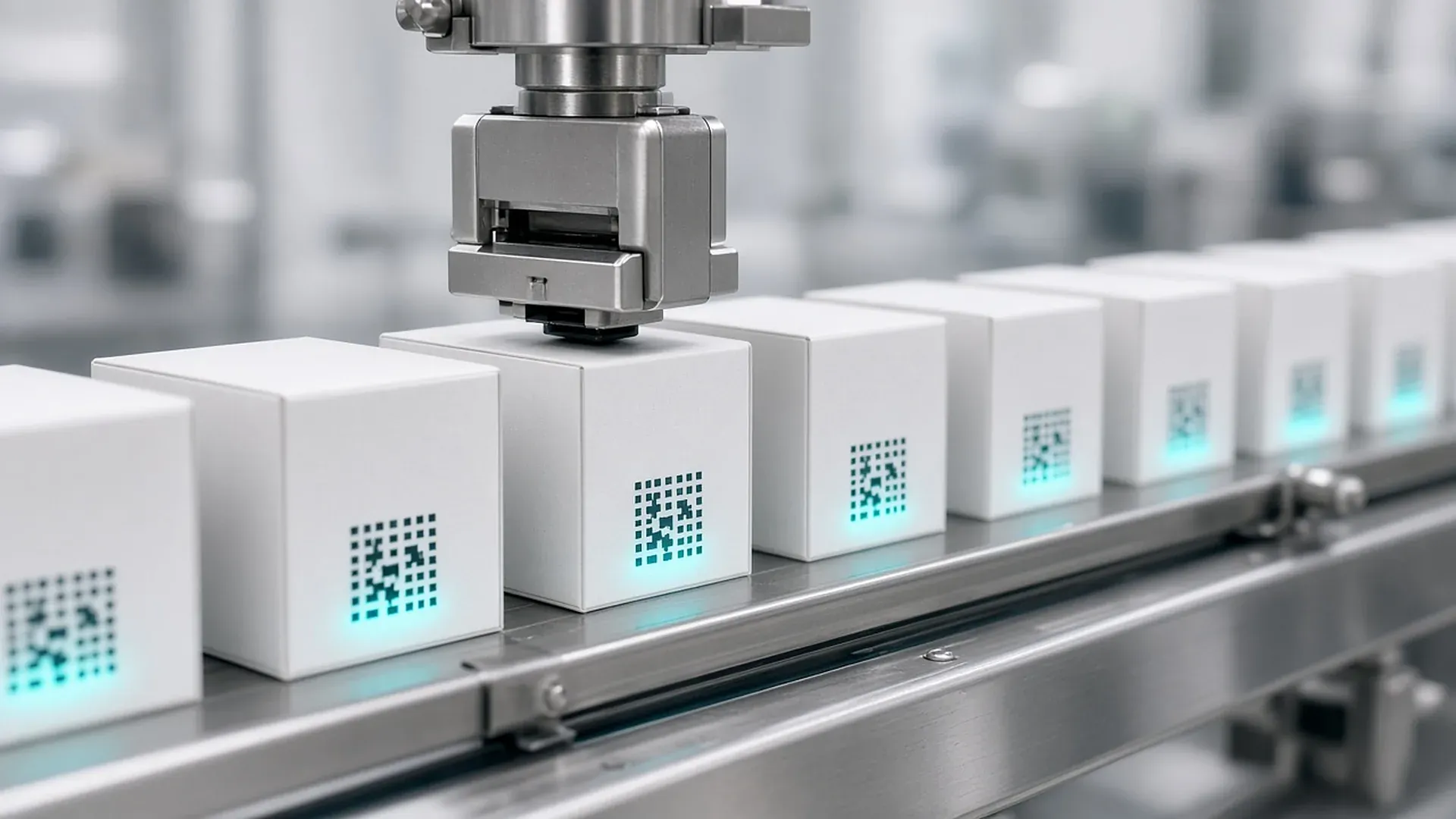
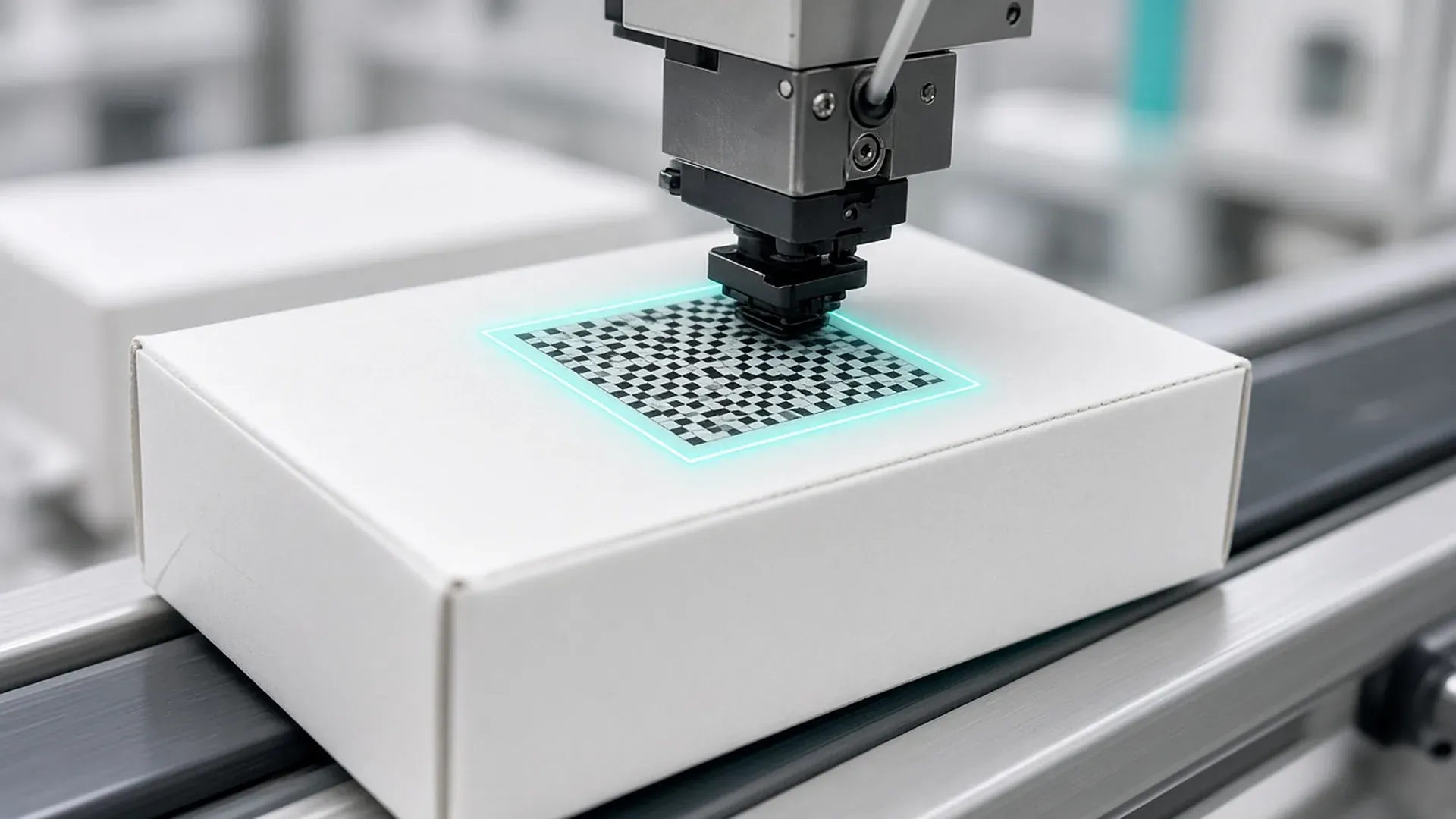
Serialization gives every pack an identity, but nobody in a warehouse wants to scan packs one by one. A pallet can hold hundreds or even thousands of packs. This is where aggregation comes in: by linking packs to cases and cases to pallets, it lets you answer "exactly which serial numbers are on this pallet?" with a single scan.
In this article we explain the logic of aggregation, the station types used on the floor, and what we watch for in software to keep these relationships correct from the line to shipping.
What is aggregation?
Aggregation is the step after serialization. It creates a parent-child relationship between serialized saleable units and logistic units such as cases and pallets. Each case and pallet carries its own unique identity too; for logistic units this is usually the GS1 SSCC (Serial Shipping Container Code).
The result is a tree:
- Pallet → contains specific cases
- Case → contains specific packs
- Pack → with its own serial number, GTIN, batch and expiry date
As Laetus's aggregation page notes, this history makes returns easier to handle and supports counterfeit protection. In Turkey, the hierarchy is also shared with other stakeholders as XML through PTS, the package transfer component of İTS, which we cover in our İTS notification article.
Types of aggregation stations
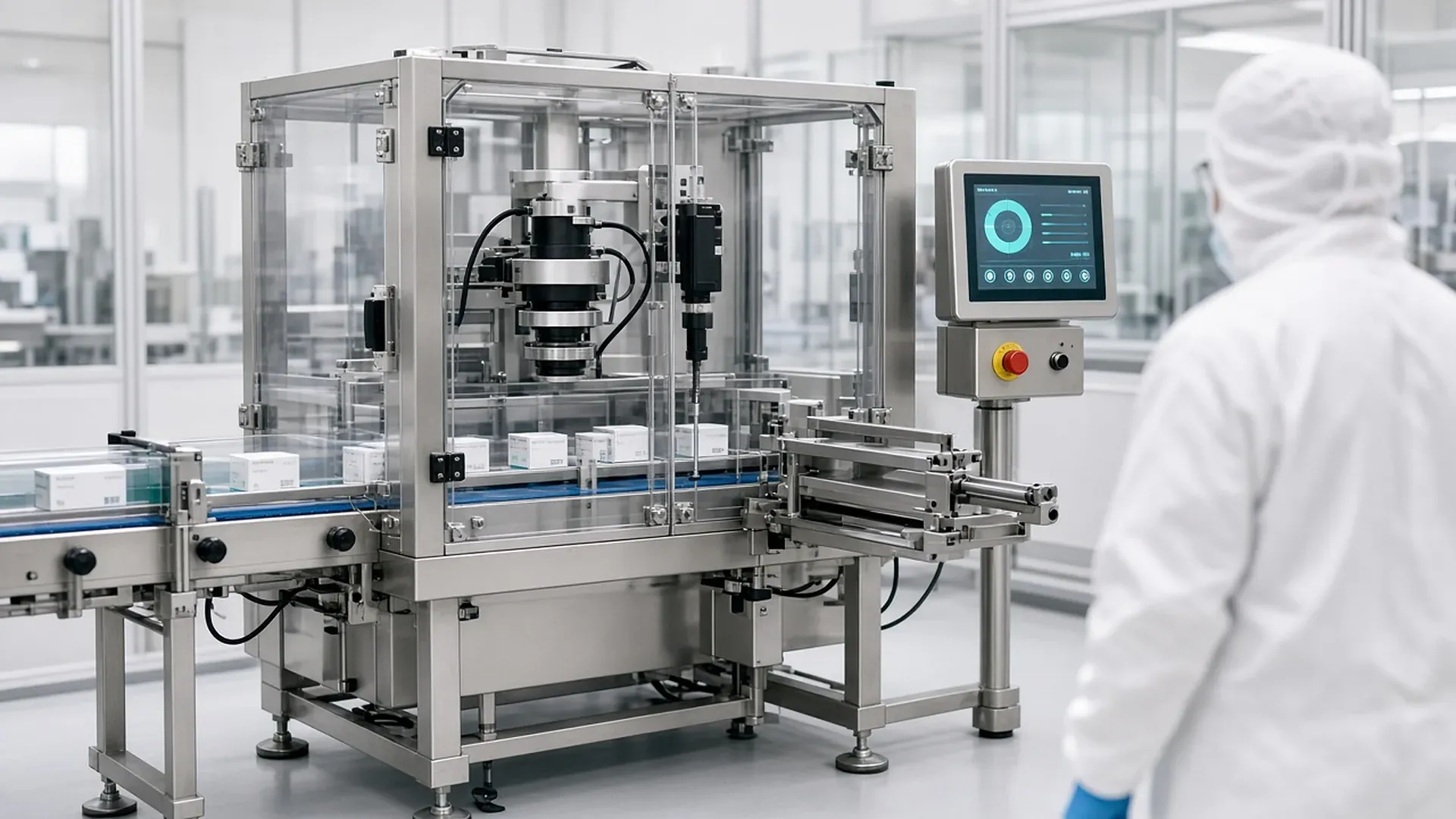
Different stations are used depending on line speed, packaging and the level of automation. VISIOTT (formerly AGE), for example, lists horizontal and vertical manual stations, semi-automatic stations, automatic stations working with case packers, and bundle aggregation among its aggregation solutions. Broadly, there are three approaches:
Manual stations
The operator places packs into the case. The station reads all the codes inside the case at once with a camera, or packs are scanned one by one. Then the case label is printed and the relationship recorded. Suitable for low to medium speed lines, samples and rework.
Semi-automatic stations
Reading, counting and labeling are largely automatic, with the operator involved only in placement and confirmation. Fewer errors, higher speed.
Automatic in-line stations
These work with the case packer. Packs are read as they enter the case, and count and contents are verified before the case is closed. Preferred on high-speed lines.
Whatever the station type, the software's job is the same: build the right relationship, record it, and make sure it stays intact at every later step.
What we pay attention to in software
A single source of truth
Aggregation data should not live as separate copies in the line software, the site software and the warehouse. When someone updates something, where do the others learn about it? We start the design with the answer to that question.
Count and content checks
A case must contain exactly the number of packs defined in the product master data. Missing or extra packs, unreadable codes, a pack from another batch or a rejected serial number must be caught at the moment of the transaction. An error found after the case is sealed is far more expensive.
Disaggregation and re-aggregation
In real life, cases get opened. Samples are taken, damaged packs replaced, cases split for orders. The old relationship must then be undone in a controlled way (disaggregation) and the new one recorded. A system that leaves these steps off the record soon holds a hierarchy that no longer reflects reality.
Verification in the warehouse and at shipping
Aggregation does not end at the end of the line. Every case or pallet scanned during picking, pallet building and truck loading should be checked against its expected contents. In one case study, we built software that works with VISIOTT aggregation systems; it made pre-shipment checks possible with a single scan and ensured mismatches were caught before loading.
Links to enterprise systems
Passing pallets correctly to the warehouse management system (WMS) and ERP keeps stock and shipping records consistent down to the serial number. We describe that connection in our WMS/ERP integration article.
Operator screens
Aggregation station and handheld screens should be simple. Operators must see at a glance what to do, what went wrong and how to fix it. Complex screens increase errors under time pressure.
Common problems
- A difference between the end-of-line aggregation record and the warehouse record
- Opened cases still showing their old contents in the system
- A rejected pack accidentally included in a case
- The hierarchy sent through PTS not matching the physical pallet
Almost all of these share one root cause: a step where the relationship changes has no counterpart in the software. The fix is usually not a new system, but closing those gaps in the existing flow.
Questions to answer before an aggregation project
When designing aggregation software, the first meetings always return to similar questions. Their answers largely determine which station and which software flow are right:
- How many levels does the hierarchy have? Only pack → case, or intermediate levels such as pack → bundle → case → pallet?
- Where and when is the case label printed? If the label is printed before the contents are verified, a faulty case gets an official identity.
- How are partial cases handled? What is the rule for cases that are not full at the end of a batch, and how are they flagged in the system?
- Are pallets built on the line or in the warehouse? Where palletizing happens decides which system the data is written to first.
- Are cases opened in the warehouse? If cases are split during order picking, the disaggregation flow must be designed from the start.
- Which systems receive the relationship, and when? The timing of transfers to WMS, ERP and PTS prevents surprises at shipping.
These questions look simple, but an aggregation flow built before they are answered usually has gaps that show up in the first busy shipping week.
The right approach, the right tool
In aggregation projects, the station maker's software, site software and enterprise systems all work together. Without replacing your equipment, we build software that completes the missing integrations and workflows, and we choose the technology to fit your infrastructure and team. Read how serialization data feeds aggregation in our serialization article, and see the scope of our pharma serialization and İTS service.
Frequently Asked Questions
What is the difference between aggregation and serialization?
Serialization gives each saleable unit a unique identity. Aggregation links those units to cases and pallets, building a parent-child hierarchy.
When is disaggregation needed?
When a case is opened, a sample is taken, a damaged product is replaced or a case is split. The old relationship must be undone in a controlled way and the new one recorded.
When is a manual aggregation station enough?
Manual stations are often enough for low to medium speed lines and for sampling and rework. High-speed lines usually need automatic in-line solutions.
Can software be added to our existing aggregation system?
Yes. We build software that works with existing stations and adds warehouse, shipment verification and enterprise system connections.
Facing a similar challenge? Tell us about your project and we'll get back to you within one business day.
All product and company names are trademarks of their respective owners; softhan is not an authorized representative or partner of these companies.