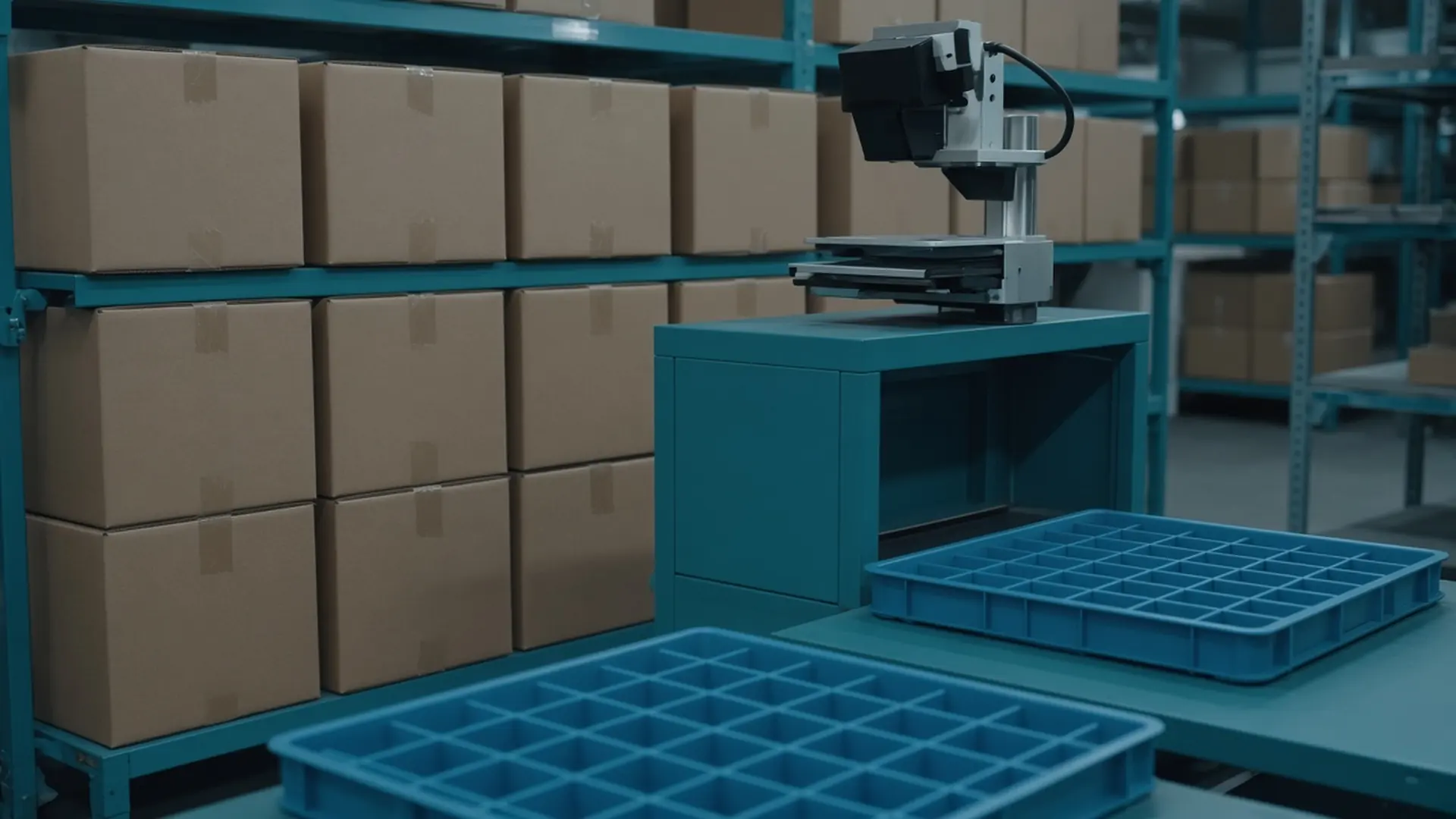
Textile line, warehouse and shipping
In textile and apparel the cut quantity, the case weight, the warehouse location and the shipment follow one record. This is not a project list.
8 November 2026 · 1 min read
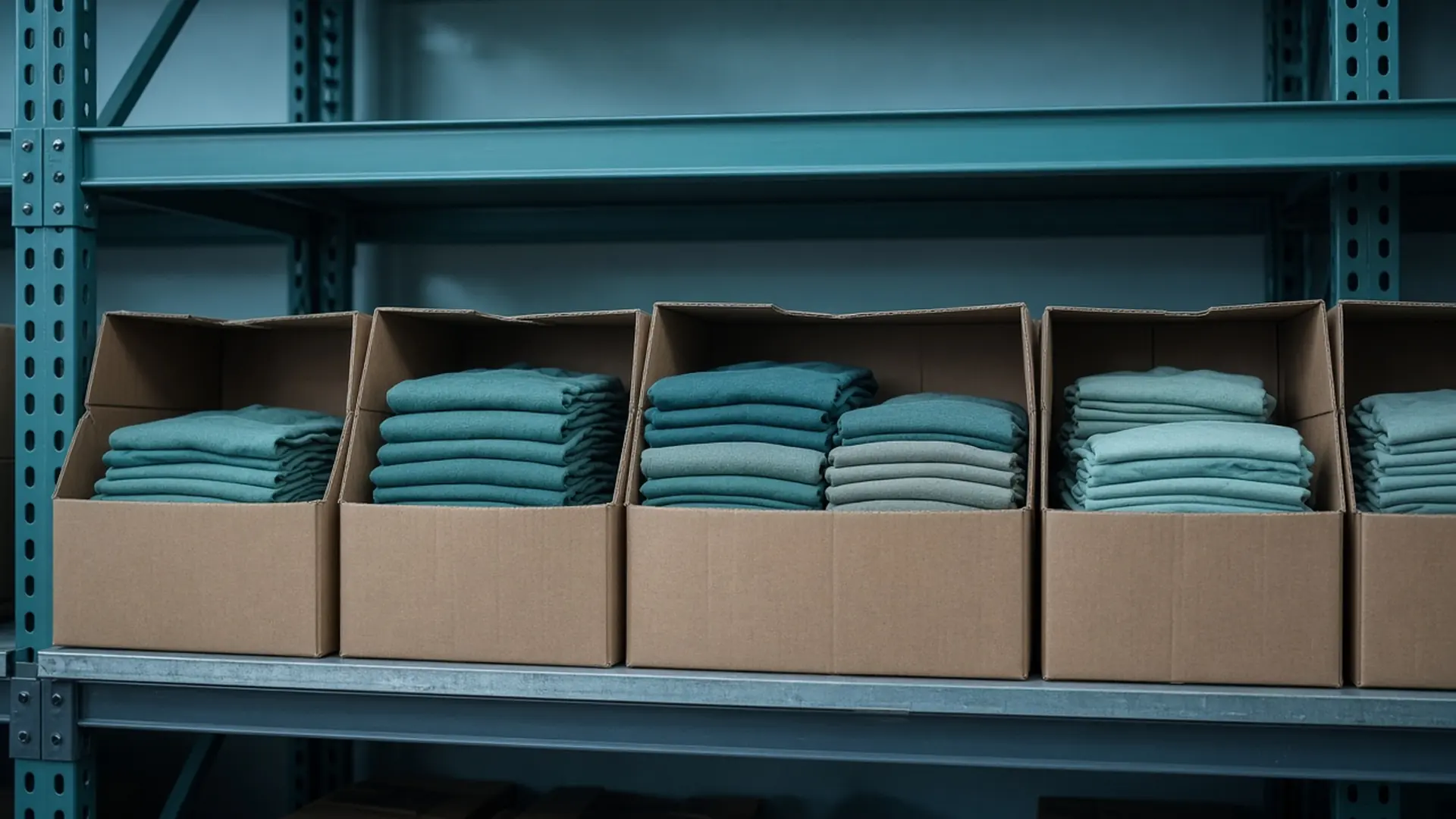
In textile and apparel the record is the trace of quantity from cutting to the closed case and the shipment. When the cut count sits on a slip, the case weight in another book and the shipment on a third list, a short quantity shows up at loading.
The line writes the cut or sewn quantity on the work order. When the case closes, weighing adds whether that quantity matches the expected weight range. A case that does not match is not open for shipping.
The warehouse puts the case in a location. Picking takes it from that location. Shipping binds the case to a load. PTS is these three steps carrying the same package identity. WMS and ERP update stock with that identity.
When the shipment needs a document, the e-document binds to that load. We do not invent the name of an apparel standard.
What we take on
- Line integration
- Cut and sew quantity
- Case weighing
- Warehouse location
- PTS and shipping
- WMS and ERP record
This article is not a case study. There is no client name and no completed project.
The sector page is textile sector. Line, warehouse and shipping work is industrial integration. Package movement is PTS package transport. The document is e-invoice and e-document. You can send the subject on the quote form.
Frequently Asked Questions
Do you weigh every case?
Weighing enters the record when the plant weighs. We do not add a weighing screen to a flow that does not weigh.
Where do size and color sit?
Size, color and quantity are lines of the work order. The case carries the total of those lines. We do not write a separate catalog.
Is there a client name?
No. This article is not a case study.